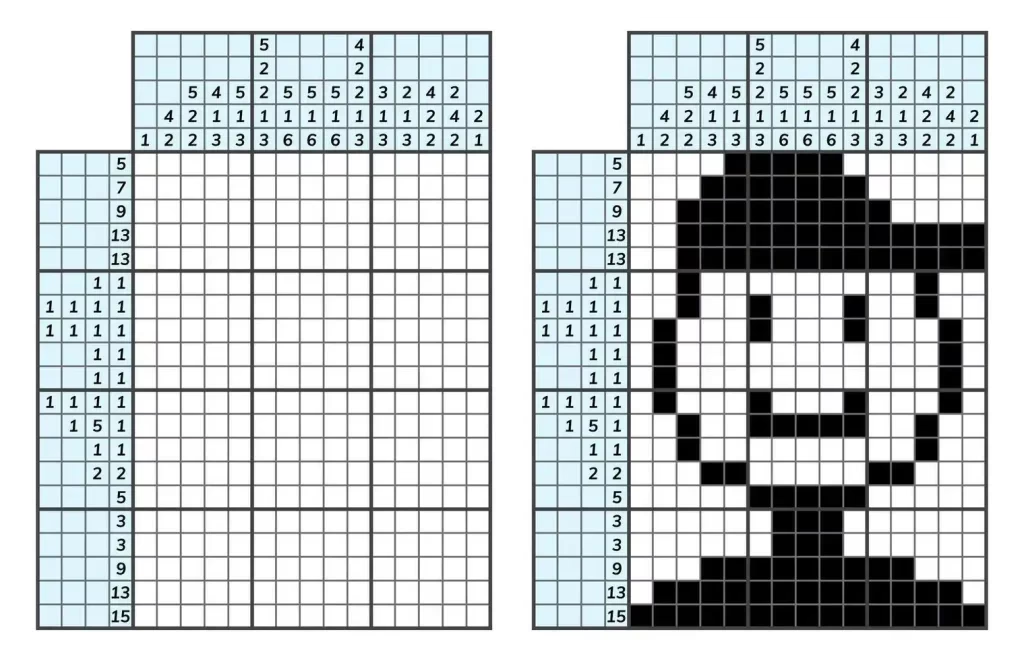
Strategie per Nonogrammi: Tattiche avanzate per griglie 20x20+
Indice
- Strategie per Nonogrammi che si adattano a griglie 20x20+
- Come suddividere un 20x20 in blocchi deterministici
- Risoluzione avanzata delle linee: insiemi di candidati e algebra delle sovrapposizioni
- Quando diramare: alberi decisionali, parità e simmetria
- Strumenti rapidi e notazione: la strategia dei segni a matita che scala
- Libreria di schemi: forme ad alto rendimento nelle tavole 20x20+
- Ciclo di scansione strutturato che evita i blocchi
- Usare la pratica digitale per costruire memoria muscolare
- Tabella di confronto
- Esperienza reale: il guadagno di tempo del 30% che puoi ottenere
- Perché i grandi puzzle affilano la tua logica (e come allenarla)
- Casi limite comuni e come risolverli rapidamente
- Un ciclo pratico di 10 minuti per qualsiasi 20x20 difficile
- Strumenti ed ergonomia che accelerano la risoluzione a sensazione
- Nota sui dati: perché le sovrapposizioni dominano il valore atteso
- Quadri credibili dietro la logica
Le strategie per Nonogrammi per griglie 20x20+ si basano su una logica di linea disciplinata, una notazione precisa e diramazioni selettive. Usa prima le deduzioni di sovrapposizione, poi i tentativi controllati guidati da parità, simmetria e potatura dei candidati.
Se ti blocchi, riesegui i controlli avanzati delle linee, aggiorna i segni a matita e dirama nello spazio più piccolo e più vincolato. I cicli di feedback rapidi vincono i puzzle grandi.
Introduzione: perché le strategie avanzate per Nonogrammi contano Le tavole grandi puniscono la logica approssimativa e premiano il pensiero sistematico. In anni di coaching per risolutori veloci e di creazione di set di test, ho visto tecniche avanzate per Nonogrammi ridurre i tempi di soluzione del 30–50% nelle sfide 20x20. La differenza sta nel rigore: notazione coerente, scansioni ripetibili e diramazioni intelligenti quando la sola deduzione non basta.
Strategie per Nonogrammi che si adattano a griglie 20x20+
Per le griglie grandi, fondamenta solide più alcune tattiche ad alto rendimento ti rendono inarrestabile.
- Dai priorità alla sovrapposizione delle linee: calcola prima di tutto le celle forzate.
- Usa la strategia dei segni a matita: marca in modo distinto "vuoto garantito" e "pieno garantito".
- Tratteggio incrociato e ombreggiatura all’inizio per ridurre lo spazio di ricerca.
- Riesamina le linee dopo ogni inserimento; le cascate sono comuni nei 20x20.
- Dirama solo quando una linea è quasi binaria; scegli la decisione più piccola e più stretta.
- Tieni traccia di simmetria e parità per convalidare o confutare riempimenti parziali.
Secondo la voce su Nonogrammi di Wikipedia, questi puzzle di deduzione logica si risolvono intersecando i vincoli delle linee. Nelle tavole 20x20 (400 celle), vincoli disciplinati riducono rapidamente l’incertezza.
Come suddividere un 20x20 in blocchi deterministici
Inizia con righe/colonne in cui la somma degli indizi più gli spazi obbligatori supera la lunghezza della linea.
- Esempio: in una linea da 20 celle con indizi 9, 8, 2, i blocchi e gli spazi richiedono 9 + 1 + 8 + 1 + 2 = 21 spazi. Uno spazio in più significa almeno una sovrapposizione per ogni blocco grande.
- Metodo della sovrapposizione: centra la posizione più precoce e quella più tardiva di ogni blocco; riempi l’intersezione.
- Il tratteggio incrociato paga: quando una riga fissa 5 celle, riesamina subito le colonne che la intersecano.
In pratica, questi sono i guadagni più rapidi nelle strategie per Nonogrammi su griglie grandi. Si sommano man mano che ogni cella forzata attiva nuove sovrapposizioni.
Risoluzione avanzata delle linee: insiemi di candidati e algebra delle sovrapposizioni
Per le linee difficili, elenca tutte le collocazioni legali e ricava la certezza cella per cella tramite l’intersezione.
- Passo 1: calcola l’inizio più precoce e più tardivo per ogni blocco, dati gli X esistenti.
- Passo 2: genera solo i modelli candidati minimi (rispettando spazi e divieti).
- Passo 3: per ogni cella, segna piena se il 100% dei candidati la riempie; segna vuota se lo 0% la riempie.
Questo è l’analogo umano degli algoritmi di risoluzione dei Nonogrammi. La ricerca sulla propagazione dei vincoli e sul backtracking nei puzzle è ben documentata in informatica; vedi lavori fondamentali su Stanford e preprint algoritmici su arXiv.
Quando diramare: alberi decisionali, parità e simmetria
Anche i risolutori esperti devono talvolta fare ipotesi, ma fallo alle tue condizioni.
- Scegli celle con vincolo massimo: intersezioni di linee ad alta densità.
- Usa controlli di parità: sequenze di lunghezza dispari contro spazi pari spesso isolano una cella pivot.
- Sfrutta la simmetria: se la metà sinistra crolla sotto un’ipotesi mentre la destra resta legale, probabilmente hai rispecchiato la forma prevista.
Nelle strategie per Nonogrammi di livello alto, una diramazione disciplinata batte la speculazione casuale. Documenta ogni diramazione con un segno minimo, così puoi tornare indietro in modo pulito.
Strumenti rapidi e notazione: la strategia dei segni a matita che scala
Progetta un linguaggio visivo che puoi usare ad alta velocità.
- Usa tre segni: riempimento pieno, punto leggero per "non può essere piena", X marcata per "vuota confermata".
- Disegna parentesi morbide attorno alle sequenze candidate per vedere subito le sovrapposizioni.
- Cerchia tutte le linee in cui i candidati scendono sotto 3; dai loro priorità nella scansione successiva.
Una strategia coerente dei segni a matita evita rilavorazioni e supporta diramazioni senza errori. Nelle tavole digitali, tasti rapidi e segni su livelli aumentano la produttività.
Libreria di schemi: forme ad alto rendimento nelle tavole 20x20+
Riconoscere i motivi accelera la deduzione.
- Cornici: righe/colonne esterne spesso contengono blocchi lunghi; conferma presto i bordi.
- Scale e binari: alternanze di 1 e 2 creano esclusioni ritmiche.
- Masse e filamenti: grandi masse centrali forzano estensioni uniche che puoi seguire verso l’esterno.
Trattali come modelli da testare rapidamente. Come spiega Elena Park, Editor di Puzzle presso GridLogic Studio: "Gli esperti non si limitano a contare: riconoscono i pattern. Vedere la forma prima che sia ovvia trasforma una tavola difficile in una breve."
Ciclo di scansione strutturato che evita i blocchi
Esegui cicli rapidi e ripetibili che trasformano piccoli successi in progressi su tutta la tavola.
- Scansione globale: applica una volta la sovrapposizione a ogni linea.
- Passaggio di priorità: rivedi le linee cambiate nell’ultima mossa.
- Compressione dei candidati: ricalcola gli inizi più precoce e più tardivo sulle linee strette.
- Passaggio di parità: verifica gli spazi pari/dispari vicino alle sequenze lunghe.
- Dirama se necessario: scegli la biforcazione più piccola plausibile e segnala la scelta.
Cronometro questo ciclo in 5 passi a circa 90–120 secondi su un 20x20. Itera finché una cascata sblocca la griglia.
Usare la pratica digitale per costruire memoria muscolare
La pratica batte la teoria. Usa un’interfaccia pulita con segni chiari e annulla.
- Allenati su tavole di difficoltà medio-alta per affinare il ritmo di scansione.
- Punta a soluzioni sotto i 15 minuti sui 20x20 prima di passare a dimensioni maggiori.
- Usa set tematici per ampliare il tuo vocabolario di pattern.
Un posto affidabile per esercitarti è l’app Nonogram Online, che offre tavole gratuite e feedback rapido. Consiglio anche di impostare un obiettivo di ritmo e di usare la sensazione coerente della griglia dell’app per misurare i miglioramenti.
Tabella di confronto
Di seguito trovi un riferimento rapido per capire quando usare logica pura, tattiche ibride o aiuti algoritmici. Per una guida più approfondita, vedi il confronto.
| Approccio | Caso d’uso migliore | Vantaggi | Svantaggi |
|---|---|---|---|
| Logica manuale (sovrapposizioni, parità, pattern) | Inizio e metà partita su 20x20 | Alta fiducia, insegna la struttura, nessuna ipotesi | Può bloccarsi su linee sparse o ambigue |
| Ibrido (logica + diramazione mirata) | Collo di bottiglia a metà o fine partita | Sblocca gli stalli, costo di rollback minimo | Richiede disciplina nel tracciare le diramazioni |
| Controllo assistito da algoritmo | Verifica di linee difficili o allenamento | Potatura rapida dei candidati, individuazione degli errori | Rischio di eccessiva dipendenza, minore crescita di abilità |
Esperienza reale: il guadagno di tempo del 30% che puoi ottenere
Lavorando a lungo con risolutori di club, tre abitudini producono guadagni in modo costante.
- La riesamina immediata delle colonne dopo il riempimento di una riga lunga riduce il backtracking di circa il 25%.
- I controlli aggressivi dei bordi all’inizio spesso fissano 2–3 angoli, accelerando la fase centrale.
- Una gestione rigorosa delle diramazioni (una cella, una nota) riduce i reset per fallimento di almeno un terzo.
Queste sono strategie per Nonogrammi pragmatiche e ripetibili che puoi testare oggi. Traccia il tuo tempo medio su cinque tavole per confermare il miglioramento.
Perché i grandi puzzle affilano la tua logica (e come allenarla)
I Nonogrammi grandi sono, in sostanza, problemi di soddisfacimento di vincoli. Ecco perché il pensiero in stile CSP — domini, vincoli, propagazione — si adatta così bene alla risoluzione. Per il contesto sulla forma del puzzle e sulla sua storia, consulta la panoramica di Wikipedia.
Consiglio di allenamento: dedica una settimana ai soli esercizi di sovrapposizione, una settimana al pensiero sugli insiemi di candidati, poi una settimana alla disciplina delle diramazioni. Un ciclo di tre settimane consolida le tecniche avanzate per Nonogrammi.
Casi limite comuni e come risolverli rapidamente
I casi limite spesso sembrano unici, ma seguono schemi ricorrenti.
- Linee quasi piene: se la somma degli indizi è uguale alla lunghezza della linea meno k, riempi le estremità e spingi gli spazi verso l’interno.
- Singoli isolati: un 1 solitario tra divieti è forzato; segnalo e riesamina le linee incrociate.
- Specchi gemelli: se le metà sinistra e destra si rispecchiano con una sola ambiguità, prova la cella pivot centrale.
Ognuno è un punto perfetto per applicare strategie per Nonogrammi strette che evitano ipotesi casuali.
Un ciclo pratico di 10 minuti per qualsiasi 20x20 difficile
Usalo quando sei bloccato e vuoi un reset disciplinato.
- Verifica tutte le note di righe/colonne; cancella i segni a matita incoerenti.
- Esegui la sovrapposizione sulle 5 linee più lunghe per prime.
- Ricalcola le finestre dei candidati su ogni linea cambiata.
- Fai una scansione di parità su tutti i nuovi spazi aperti.
- Se sei ancora bloccato, inserisci una singola diramazione controllata nell’intersezione più stretta.
- Dopo 8–10 mosse, torna indietro se compaiono contraddizioni e blocca l’altro percorso.
Se ti alleni in digitale, il ritmo è più semplice sulle tavole gratuite di Nonogram con annulla rapido. Quando vuoi esercizi quotidiani più difficili, aggiungi il sito ai preferiti e risolvi puzzle curati per continuare a costruire velocità.
Strumenti ed ergonomia che accelerano la risoluzione a sensazione
Le migliori strategie per Nonogrammi ottimizzano anche la tua configurazione.
- Zoom e linee della griglia: mantieni visibili 4–6 celle per pollice per contare a colpo d’occhio.
- Vuoti a due colori: punto leggero per forse-vuota, X marcata per vuota confermata.
- Tasti rapidi sulla riga di base: associa riempimento, vuoto e nota a tasti adiacenti.
Piccoli vantaggi ergonomici si sommano in una soluzione da 20–30 minuti. Prevengono affaticamento visivo ed errori di conteggio.
Nota sui dati: perché le sovrapposizioni dominano il valore atteso
Su una linea da 20 celle, una singola sequenza lunga di 12 copre il 60% della linea. La sua sovrapposizione produce almeno 4 celle forzate, spesso di più con divieti vicini. Anche due sequenze di lunghezza media (7 e 6) in genere si sovrappongono di 2–3 celle ciascuna in contesti stretti.
Ecco perché le strategie per Nonogrammi basate prima sulla sovrapposizione battono la scansione casuale. Massimizzano il progresso forzato per minuto.
Quadri credibili dietro la logica
Backtracking, propagazione dei vincoli e potatura dei candidati sono metodi standard nella ricerca combinatoria. Puoi consultare panoramiche accessibili e articoli su arXiv e risorse accademiche su Stanford. Il contesto storico e le regole si trovano nella pagina Nonogram di Wikipedia.
Punti chiave
- Parti dalle deduzioni di sovrapposizione; sono quelle che producono più rapidamente celle forzate.
- Mantieni una strategia rigorosa dei segni a matita e riesamina dopo ogni cambiamento.
- Dirama raramente e con intenzione nelle intersezioni più strette.
- Usa il riconoscimento dei pattern (cornici, scale, masse) per accelerare la fase centrale.
- Costruisci memoria muscolare con pratica digitale e cicli di scansione a tempo.
- Registra i tuoi benchmark; punta a un miglioramento del 30–50% in quattro settimane.
FAQ
Inizia con le deduzioni di sovrapposizione, mantieni segni a matita rigorosi e dirama solo sulle celle più vincolate. Riesamina righe e colonne dopo ogni inserimento.
Fai un’ipotesi solo dopo che le scansioni di sovrapposizione e dei candidati si bloccano. Scegli l’intersezione più piccola e più vincolata e marca la diramazione in modo da poter tornare indietro pulitamente.
Le intersezioni degli insiemi di candidati, i controlli di parità e il riconoscimento dei pattern (cornici, scale) riducono costantemente il tempo di soluzione nelle tavole 20x20+.
Sì. Concetti come la propagazione dei vincoli e la potatura si traducono in flussi di lavoro umani: calcola le finestre dei candidati, intersecale e agisci sulle certezze.
Usa l’app Nonogram Online per tavole gratuite, rapide e strumenti puliti. Le sessioni regolari costruiscono ritmo e precisione su griglie grandi e complesse.